Accessible Fun and Recreation Isn’t just for Kids

Each provincial Easter Seals organization offers a variety of support and recreational programs tailored to the needs of its demographic. For example, one of the program Easter Seals offers across Canada is camps for families, children, youth, and adults.

As a kid, camp was the event of the summer, maybe even the year for me. I lived for it. I counted the days until I could be back on the magical peninsula of Easter Seals’ Merrywood Camp in Perth, Ontario.

Camp Merrywood was the one place where everything was accessible. Where I could be myself, and it was pretty much the only place where my Cerebral Palsy wasn’t an issue, problem, or barrier. In fact, having a physical disability, such as CP, was a requirement to attend. We were the majority; thus, the environment was built with us in mind.

Everything at camp is accessible, including automatic doors, ramps, and paved paths everywhere. And when they couldn’t make an area or activity 100% physically accessible, such as getting in and out of a canoe or sailboat, they had young, strong counsellors trained and available to help as needed.

I grew up going to physical therapy and social programs at Grandview Children’s Centre, so I had a group of peers and friends with disabilities. However, this is not everyone’s experience. For many, camp is the only opportunity to spend time with peers with similar experiences in an environment that was made for them. It can be very isolating and tiring to be the only one with a disability in most of your environments.

Whether it be at camp or other recreation programs, time with disabled peers is an invaluable experience for kids and youth living with disabilities.

But beyond camps, what other recreational programs are available for adults with disabilities – particularly when they age out of recreation programs designed for youth?

No matter how old we get, we should always be open to and looking for new accessible experiences that provide life-long opportunities to be active, learn, explore, and socialize. Trying something new might be scary, but it’ll also be fun and rewarding.

Here are just a handful of accessible recreation options to get you started.

Skiing
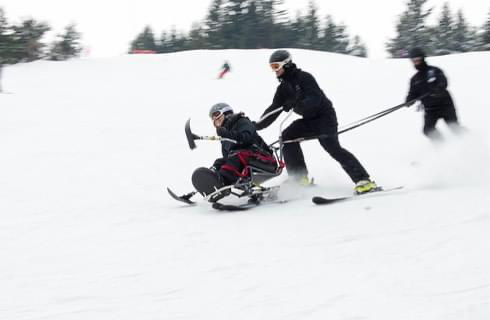
Jessica skiing

By the fall of 2016, I had been out of university and working from home for a year. I was beginning to think about the impending winter. I dreaded how the cold and snow would keep me stuck inside even more than my work already did.

That summer, I was hired by Easter Seals to work as a counsellor at Camp Merrywood., Some of the older campers told me about how much they loved to sit ski. While I’d known about adaptive skiing and had a friend who was also a sit-skier, it had never really occurred to me to try it. No one in my family skied. I wasn’t athletic. And I hated winter.

But I needed an activity to help get me out of my apartment and socialize. Downhill skiing sounded thrilling, like my beloved sailing on snow rather than water. Research led me to the CADS website (https://cads.ski/en/divisions), where I found ADDS (Adult Disabled Downhill Skiers), a local club that charted a bus (perfect for me as a non-driver) from Toronto each weekend from January to March. While the $300 I would need for both CADS and ADDS fees were reasonable for lift tickets, bus, lessons, and equipment rental, it was more than I could afford at the time. I discovered through a bit more research that the Ontario Federation for CP offers financial assistance for such activities. I applied and was ready to hit the ski slopes within a few weeks.

Fast-forward five years, I love speeding down the hill in a sit-ski. I’m still learning but improving with each season. And I met people who are now some of my best friends, both on and off the ski hill.

Sailing
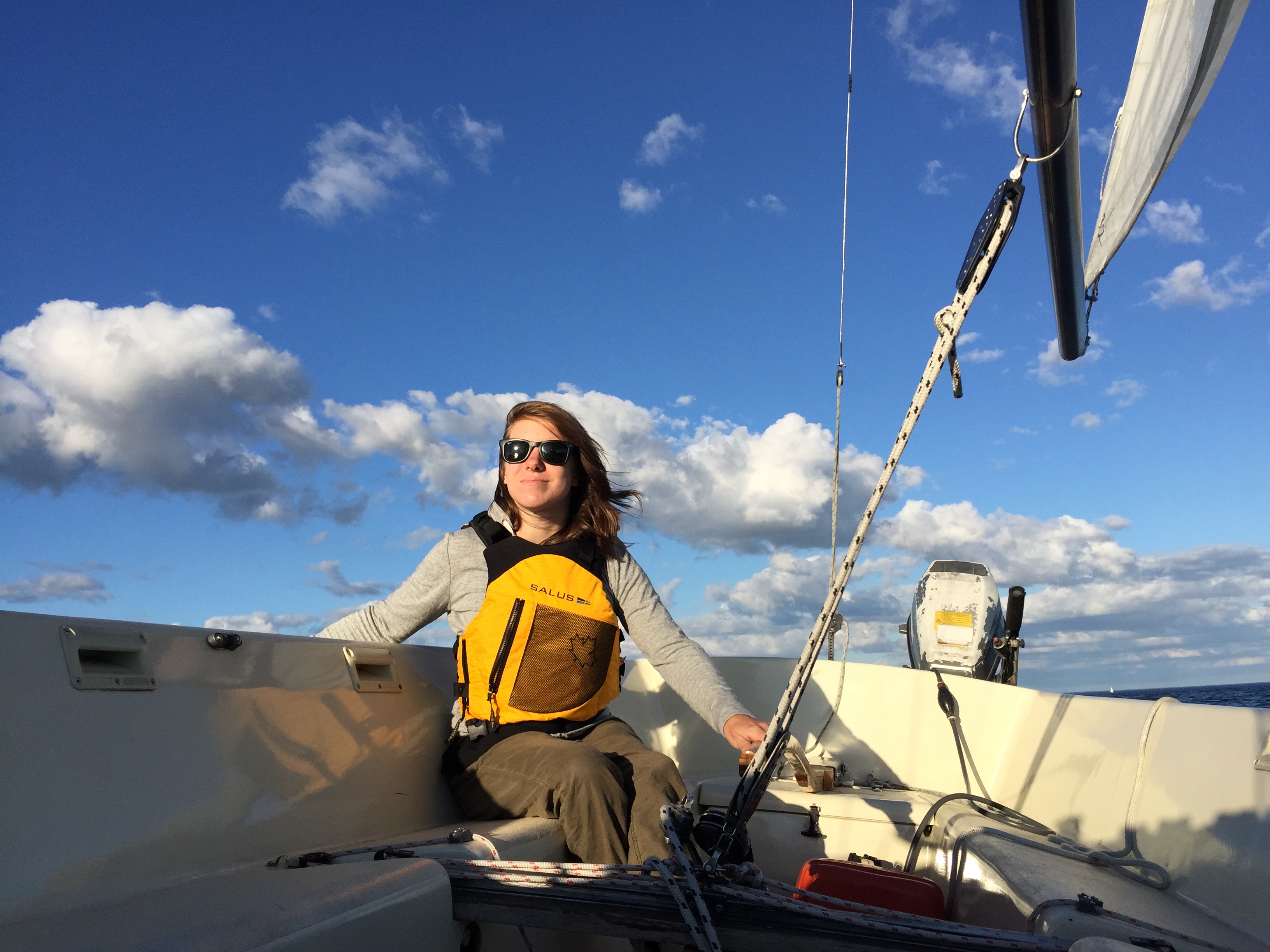
Jessica driving a sail boat while wearing a yellow.
Jessica sailing in Toronto Harbour

Sailing has been one of my favourite activities since my early days at Easter Seals Camp, and I was often curious if it was possible to find accessible sailing closer to home. So when I moved to Toronto for university in 2011, I was introduced to AbleSail, a network of non-profit organizations in cities across Canada offering accessible sailing programs and opportunities to youth and adults living with disabilities. Thus far, I’ve sailed with friends and volunteers in Toronto and St. John’s, Newfoundland. I love the feeling of the wind catching the sail and propelling the boat forward. Like skiing down a hill, speeding along on the water is thrilling.

Rock Climbing

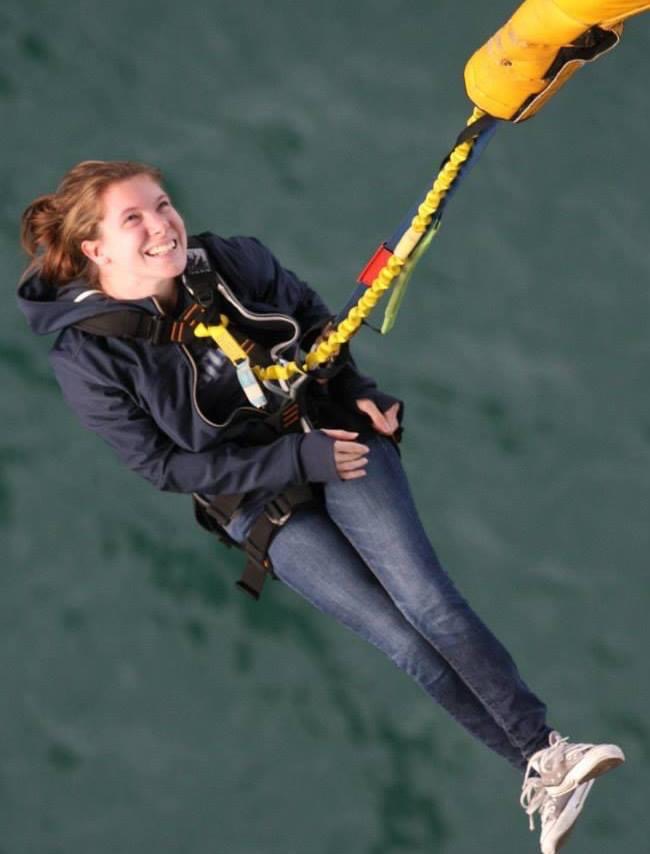
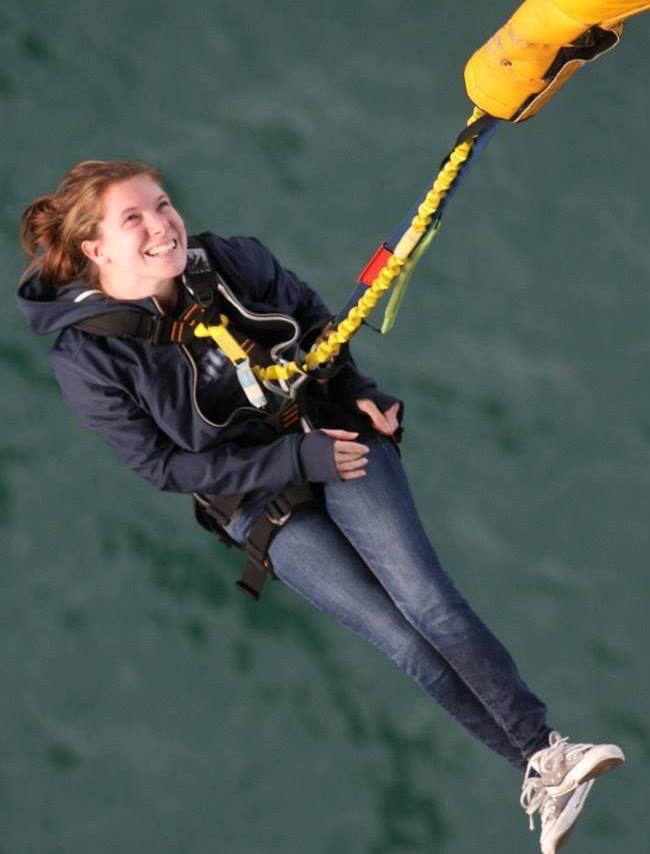
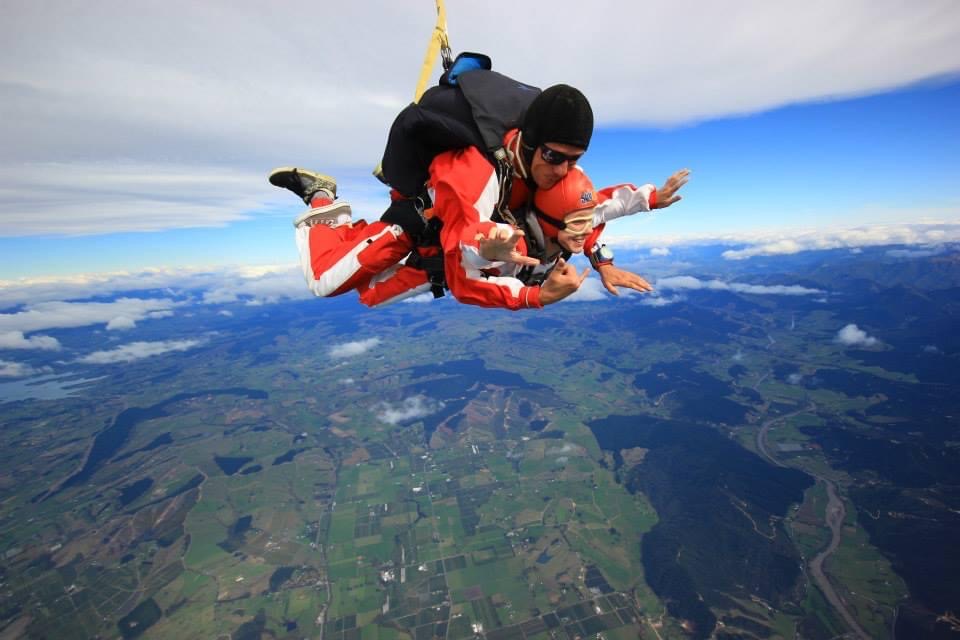
While I haven’t tried adaptive rock climbing yet, I recently heard about it from a friend, and now it’s on my list of things to try next. I loved bungy jumping, sky diving, and Easter Seals’ Drop Zone fundraiser, so I think rock climbing could be right up my alley. It seems like another great way to stay active and get a bit of exercise. The Canadian Adaptive Climbing Society offers programs in Ontario and British Columbia.

Wheelchair Basketball, Sledge Hockey, and Para-swimming

These might be three of the most well-known adaptive sports for people living with disabilities. I initially assumed they were so common that I almost didn’t include them in this article. While I’m not skilled in these sports, I know many enjoy wheelchair basketballsledge hockey, and para-swimming. I’ve heard many stories from friends about how these sports have provided Canadian athletes with disabilities opportunities to learn new skills, stay active, make friends, and even travel.

Travelling
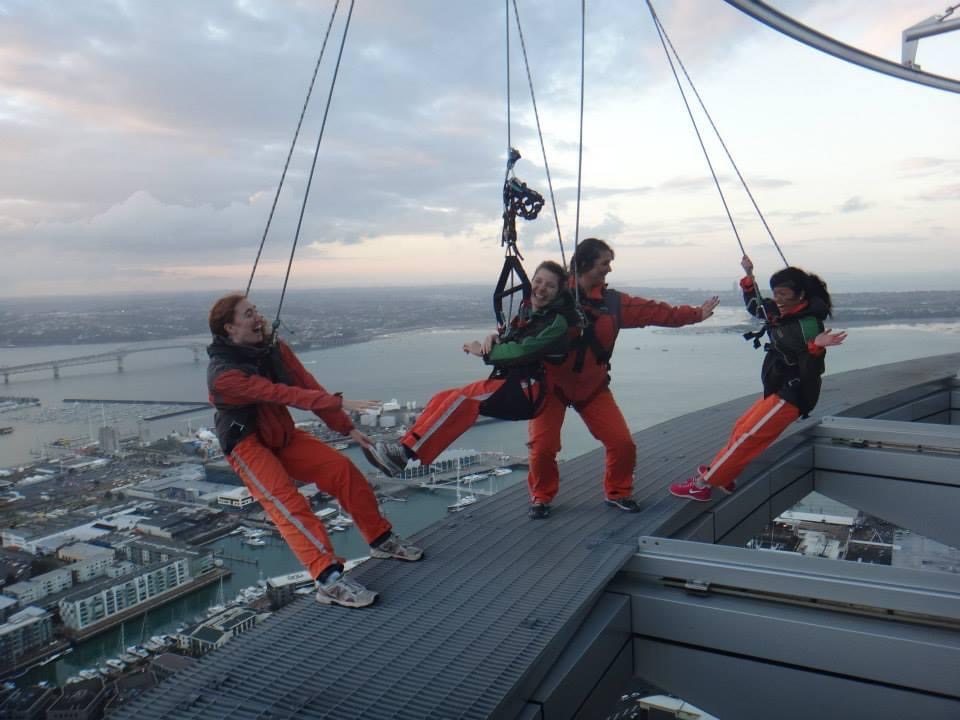
This last one might seem crazy to some but hear me out.

Travelling can be challenging for people living with disabilities, often requiring courage and planning. But it’s possible! There are so many exciting places to see and people to meet. There are so many adventures to be had. You could start small. Take a day or weekend trip to explore a local city. Visit a friend who lives out of town but is maybe only a train ride away.

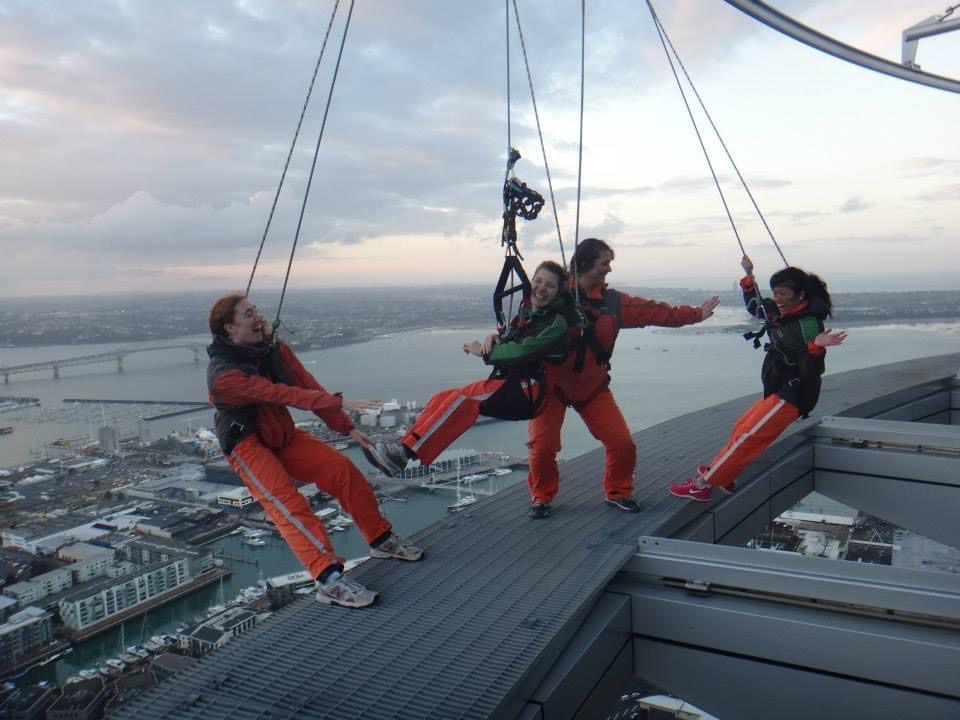
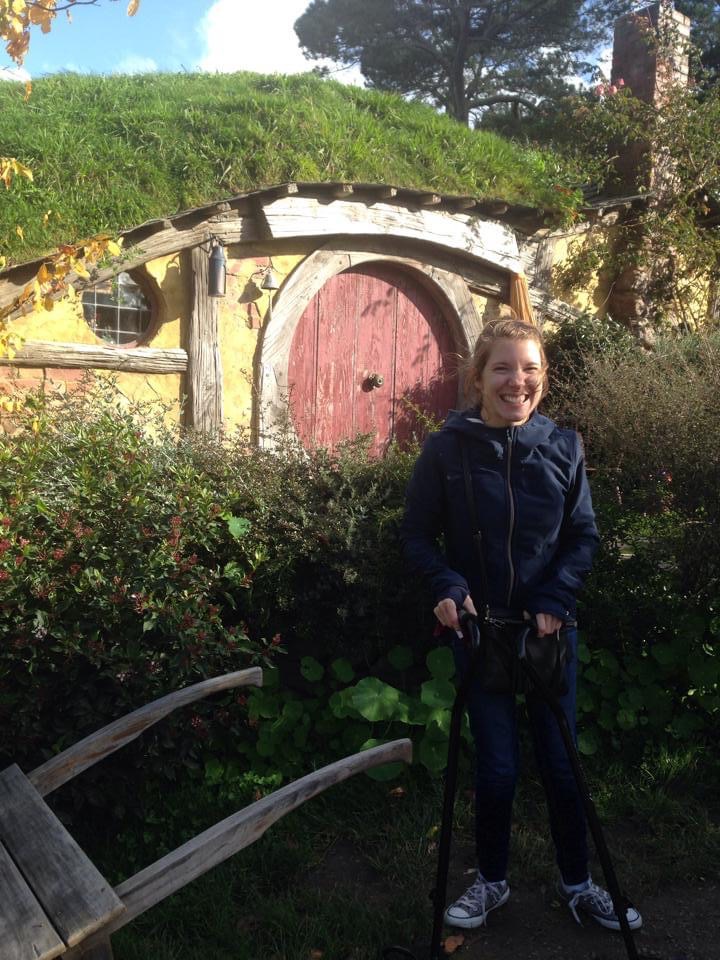
t would be easy to say that my love of travel started in 2014 when I spent a semester studying and exploring New Zealand. This was when I realized I could travel independently, find or create accessibility, and, along the way, make friends from around the world.

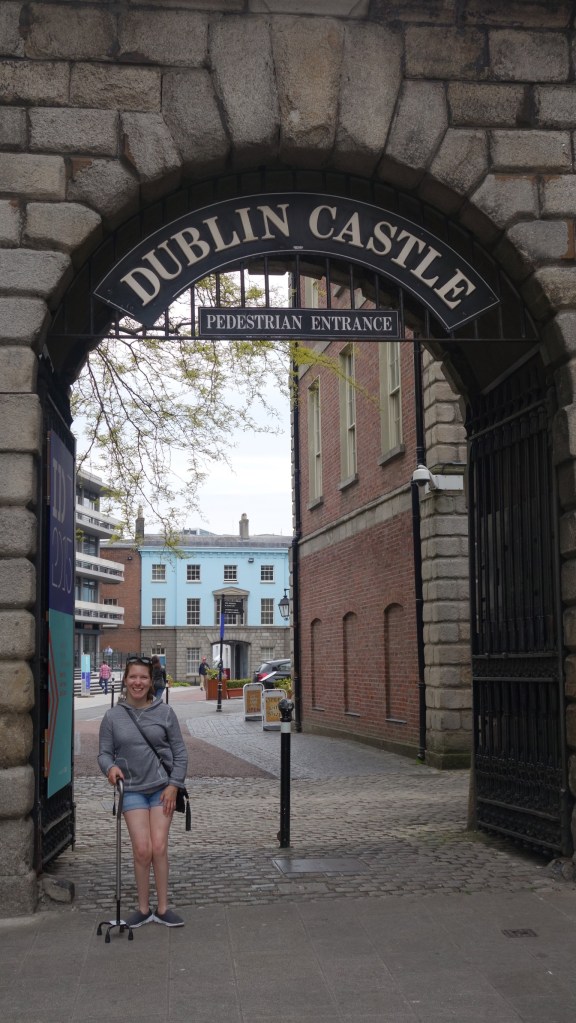
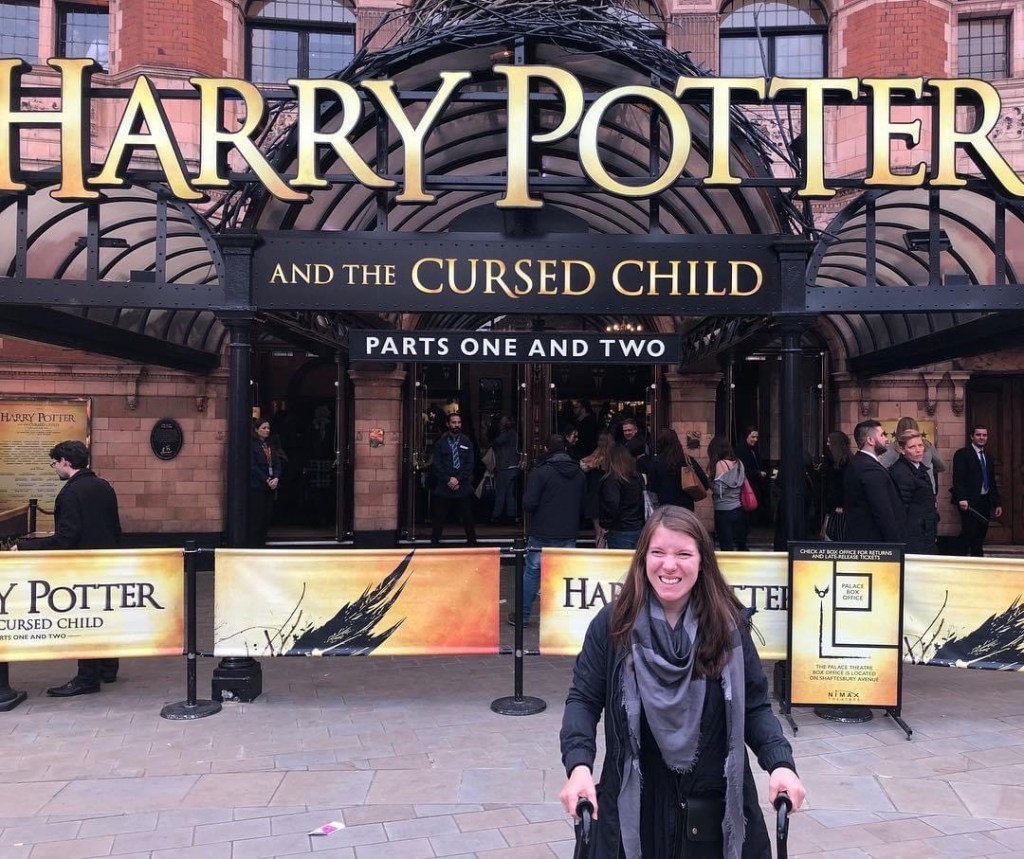
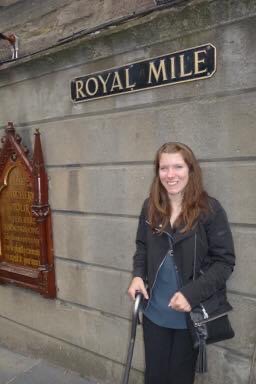
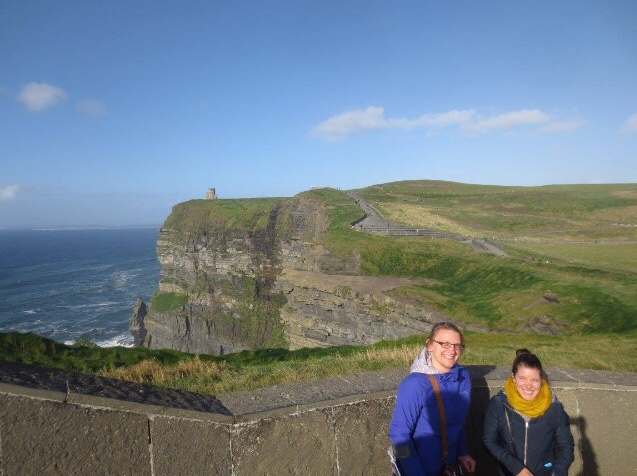
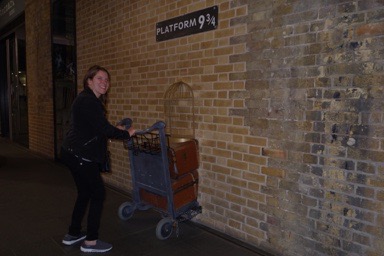
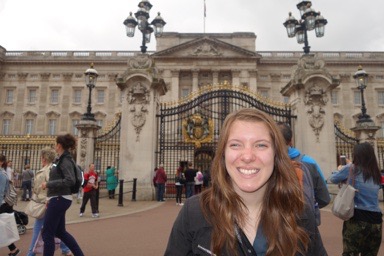
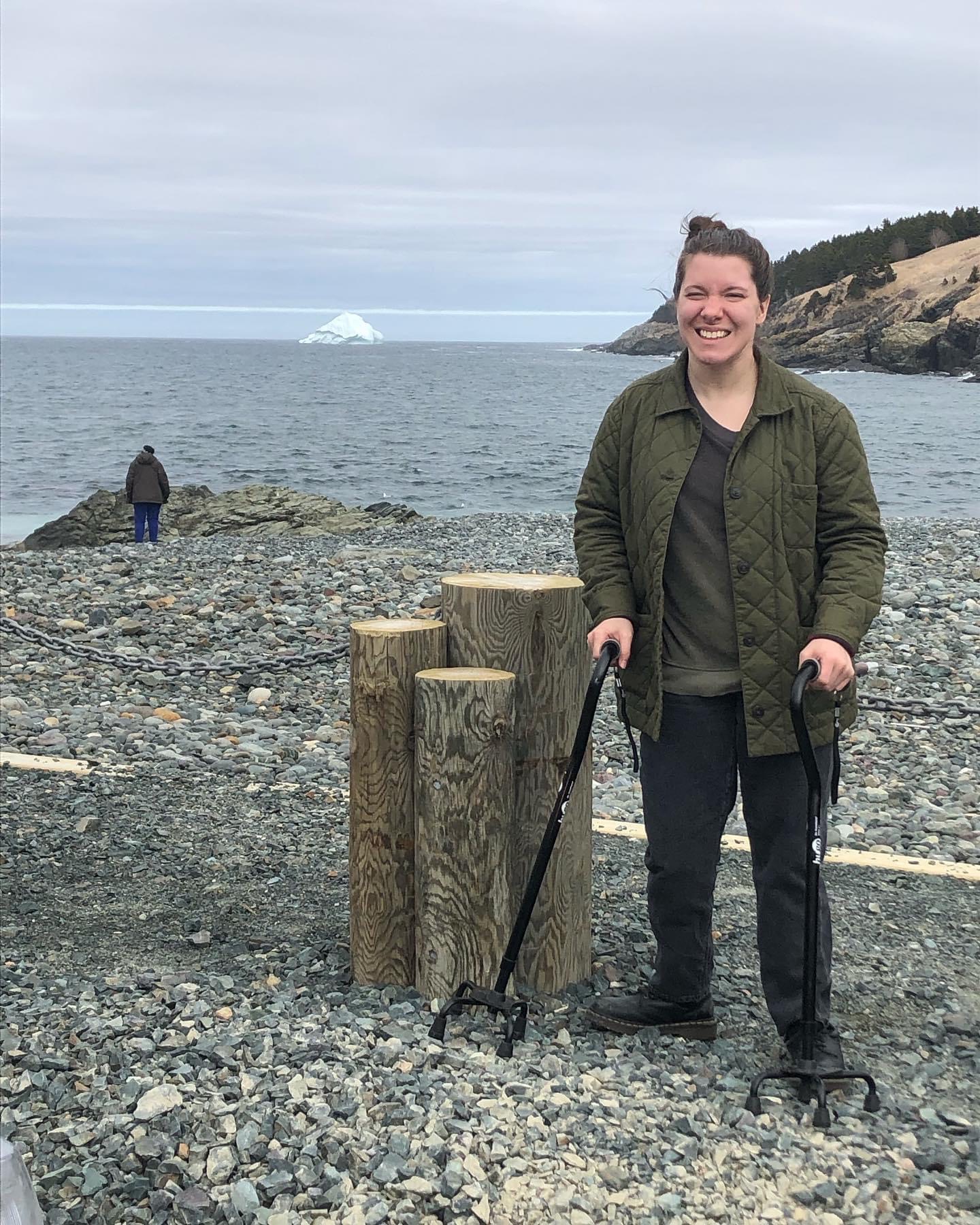
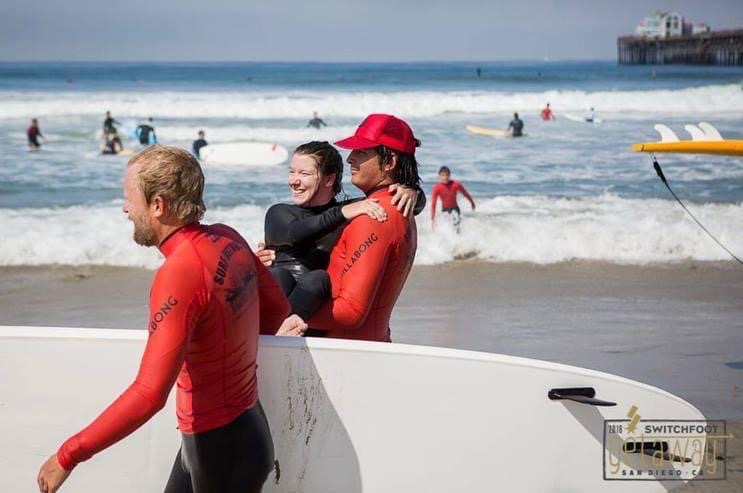
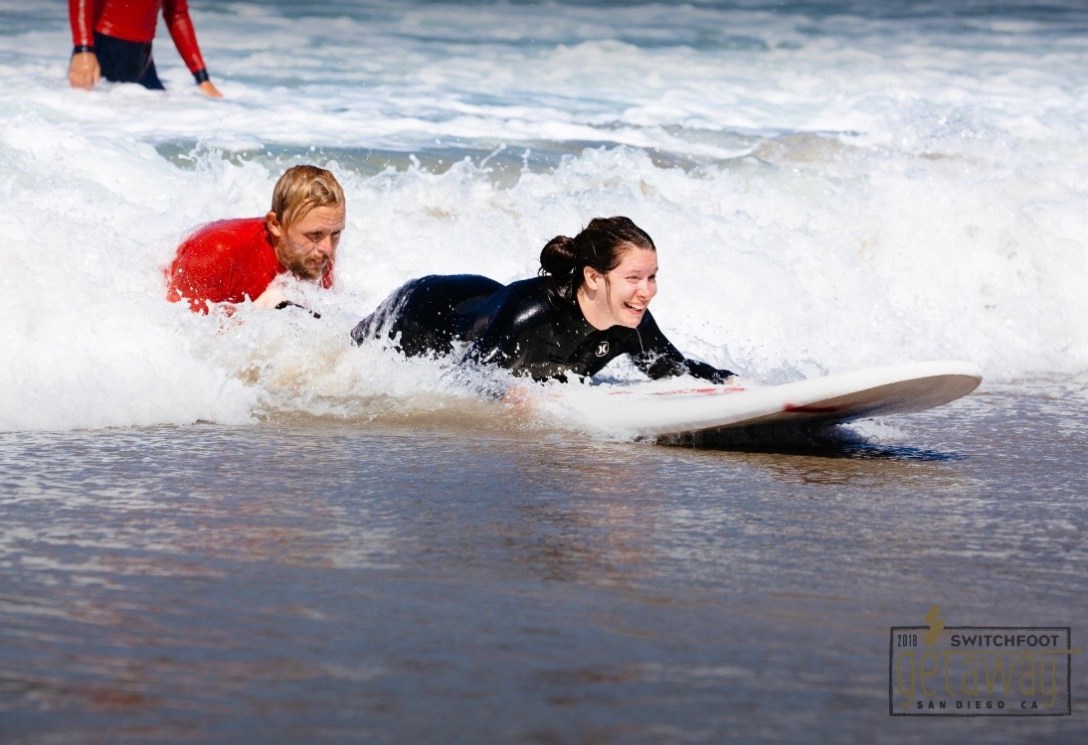
Since then, I’ve toured much of the UK and Ireland; spent a long weekend in Italy; vacationed in Mexico; followed my favourite band to San Diego; roundtripped from Houston to New Orleans and Austin; and saw my first real-life iceberg in St. John’s, Newfoundland. Just to name a few adventures.

But my interest in travel started with my family and friends when I was much younger. At least a couple of times a year, my parents would pack my two younger siblings and me in the car for cottage and camping weekends, often exploring the local town, food, and attractions. We also loved weekend trips to Niagara Falls, where we could explore Clifton Hill, swim in the hotel pool and order room service. Then, when I was a teenager, we started flying to Alberta and California to visit family and then taking roundtrips in and around those places. These family adventures showed me there was more out there to see.

Now that I’m an adult, I always look for accessible travel opportunities. Thus far, organized and hop-on-hop-off of bus tours have been the biggest key to my success. Most cities have a hop-on-hop-off tour bus that hits all the must-see spots. I usually ride the route twice–once to see the city and hear the history, then again to get to where I want to go.

Organized bus tours are also a great way to cover a lot of ground, stopping along the way to see the sights and make friends with like-minded travellers who are happy to lend a hand when needed. Bus drivers are well informed and usually glad to help me make my experience as accessible as possible, whether by turning a walking tour into a driving tour or calling ahead to the hostel to ensure I have a room on the ground floor with an ensuite washroom.

When planning a trip, I do a lot of research to familiarize myself with the area. For example, is there public transit­­––is it accessible, and how much does it cost? What do I want to see and do? Where can I stay? What are the food options? Are there options and discounts for people with disabilities? While many like to stay outside the touristy areas to save money and avoid crowds, I find that it is often most accessible to stay where the action is because everything I need is nearby––including transit to other areas I may want to visit.

Several blogs, websites and companies also specialize in accessible travel. It is always helpful to learn from those who have come before. Access Now is a tool that puts this idea into practice by crowd-sourcing accessibility information of public places from the people with disabilities who have been there. Not sure if a specific restaurant is accessible? Look it up on Access Now. I recently discovered Accessible GO, which is excellent for finding accessible hotel rooms. And March of Dimes Travel offers everything from organized day trips to cruises for travellers living with disabilities. And last but certainly not least, Easter Seals’ Access 2 Card Program is a great way to explore Canadian attractions more affordably with a friend/support person in tow. Research is key and can be a lot of fun!

Trying new things can be nerve-racking. However, we must not let fear hold us back from opportunities to learn, grow and make new friends, partially into adulthood. We never know where it could lead; maybe we’ll find a new passion.

Originally published by Easter Seals Canada.
At camp “disability didn’t matter”

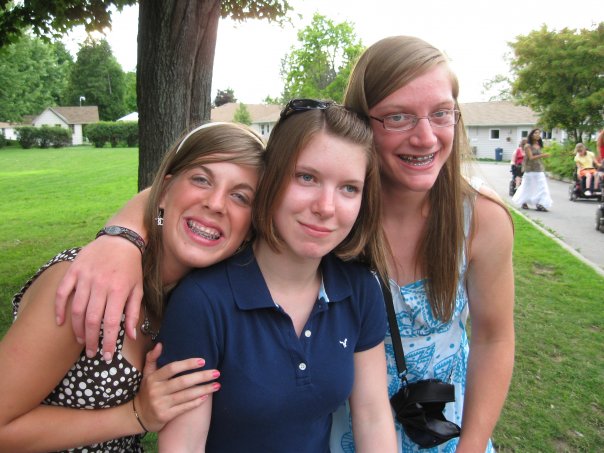
Hanako and I, 2006
Hanako and I, Merrywood 2006

“Ooh / There is a camp I know/ and it lies on the Rideau / and they call it Merrywood / and you know, they really should.”

These are the opening lines to the Merrywood Song, the anthem of my favourite place on earth­­: Merrywood Easter Seals Camp in Perth, Ontario, for children and youth with disabilities. However, Merrywood was always much more than just a summer camp to me. From the first five days I spend there in the summer of 1997—my first time alone after two summers of family camp at the former Northwood with my parents—this was a place of accessibly, inclusion, friendship and fun. And as cheesy as it may sound, the friends and memories made there really do last a lifetime.

I’m still in touch with Erin, the counsellor who met me at my car on my first day at Merrywood. Not only did she look out for me that session and every session we’ve spent there since, but we’ve stayed in touch over the years through letters and Christmas cards. Nowadays, Facebook helps keep us up to date on the happenings in each other’s lives.

I think it was the summer of 2002 when I didn’t get into Merrywood but instead was offered a place at Camp Lakewood. I was in utter despair over not getting into Merrywood—my 12-year-old life was over as I knew it. But I was happy to be going to camp somewhere. And, as it turned out, this was one of the best things to ever go wrong in my life.

At Lakewood, I met my best friends in the world. Not long after arriving, I met Hanako. She was in the bed next to mine and our first interaction involved her helping me to disentangle my walker from my wheelchair. I’m pretty sure she thought I was quite daft for getting into such a predicament, but it was nice of her to help.

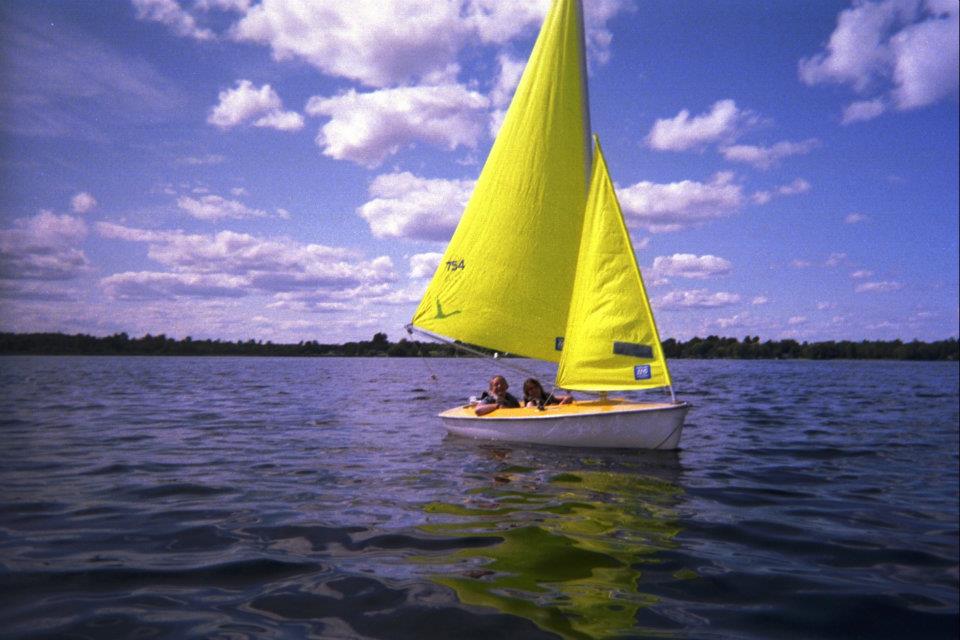
The previous year, Merrywood had acquired a collection of untippable and unsinkable sailboats that could be maneuvered easily from a comfortable seat with a joy stick and single rope operating the sail. Sailing quickly became my favourite activity, pushing swimming to second place. I love the freedom and exhilarating speed when I catch the wind just right.

Lakewood also had these sailboats, and pretty good wind conditions as well. When Hanako and I arrived at the beach for sailing on the second day of camp, it was quickly established that, due to short staffing, we would be sent in a boat together as we were both experienced­ sailors. Darren, an attractive Irish sailing instructor, whom I immediately had a huge crush on to the point of being speechless, had trained Hanako the summer before.

So off we went. The thing about spending two hours in a boat, with little else to do but sail and talk, is that you either come back friends or foes. Luckily for us, we discovered that we had a fair bit in common: in addition to a love for sailing, we had similar tastes in music and books, came from Dutch families and were the oldest of three children. We also had a similar form of cerebral palsy so shared a life view in this respect. We returned with the beginnings of a beautiful friendship. From that point on, Hanako and I did everything together, sailing as often as we could. We were even so bold as to ask Darren to rig an additional boat for us when there weren’t enough spaces.

“Hang” was a two-hour period of down-time we spent in or around the cabins every afternoon. Hanako and I would sit side-by-side on my bed or in our wheelchairs, as we quickly discovered that there was just enough space between our two beds to fit both chairs beside each other. We listened to my countless burnt CDs while singing along shamelessly.

Lakewood was not a bad place. The people and the sailing were great. The cabins had yet to be updated but the six, small, wooden buildings fostered a sense of community and tradition. The only downside was that dead fish from Lake Erie often washed up on the beach, giving the entire camp an unfortunate smell.

Despite my love for Merrywood, I followed Hanako back to Lakewood the next summer. She’d never been to another Easter Seals Camp and, like me, dislikes change. Hating to waste a day, she convinced her father to drop her off at 9 a.m. on arrival day and, after some badgering from me, my family dropped me off soon after.

If I remember correctly, after the required rounds of handing in the money our parents had given us to purchase a new Easter Seals T-shirt, checking in with nurses and assuring the waterfront staff that we were still crazy about sailing, we spent the majority of the morning messing around in arts and crafts while meeting new staff and catching up with those returning.

It was later that afternoon while lounging on my bed with Hanako that we met Katie, who would quickly become our third Musketeer and another of my best friends. When she came in I could tell right away that Katie was another highly independent camper like Hanako and I. Her cerebral palsy wasn’t even noticeable to me at first.

It was quite out of character for me then, and still is now, to make the first move to initiate a friendship, but Katie seemed cool and I felt for her as she nervously sat down next to another cabin mate who was much more severely disabled. She looked uncomfortable so I took a chance and said hi, striking up a conversation.

I later found out that this was Katie’s first time at camp, although her twin brother Kasey had come the year before. She was new to camp life and to being around kids with such a wide spectrum of disabilities. She adjusted quickly though, asking Hanako and I questions whenever coming across something she wasn’t familiar with.

After Katie and I hit it off, Hanako asked if I was ditching her for Katie. I assured her that I was doing no such thing; I simply thought she could use a friend and the three of us could hang out together, which we did.

We did everything together, except sailing which Katie found boring unless it involved a water war against her brother. Three can be an awkward number (and I won’t say there weren’t disputes over the years) but we usually sorted it out. Not big on sports in general, we often found ourselves together at the pool diving for rings (although Katie floats a little too well for such activities) having sparkle and paint fights in arts and crafts or doing something (often involving food) in Life Skills.

Hanako, Katie and I were an odd trio but were drawn together by our shared independence and friendship. I saw myself as the glue of our group. In addition to the things I have in common with Hanako, Katie appeals to a lighter and more girlie side of my personality. At 14, and even now to a point, Hanako never cared much about clothes, make-up or hair. On the flipside, Katie, to our slight disappointment, has never had much interest in picking up a Harry Potter book or watching A Walk to Remember on repeat.

Lakewood was closed after that summer and after some fantastic times there I was sad to see it go.

Once home, Katie and I began speaking on the phone almost daily (a habit that would continue until we went to college and upgraded to Skype) and Hanako invited me to stay with her for a couple of weeks in Kitchener-Waterloo. From then on I would visit Hanako after camp each summer and almost every school holiday during the year. Our parents used to take turns driving me back and forth between Bowmanville and Kitchener-Waterloo and when I look back, those two-hour drives were some of my favourite times, often spent singing aloud to our favourite bands (like Switchfoot, Relient K and Coldplay). Although I appreciate the independence it provides, the train ride alone is just not the same.

Off to Merrywood we went the next summer where I proudly introduced them to my favourite place and everyone I knew. Hanako and Katie were happy to admit that this was a nicer place with new, air-conditioned cabin buildings and water on three sides (free from the stench of dead fish). We also enjoyed some additional activities: Hanako went white water rafting on the Ottawa River, while the three of us enjoyed beach day and camping in a tent overnight together (Katie, who wasn’t keen on boats at the time, braved the canoes like a champ to partake in these two activities with us).

This continued for the rest of our years at camp, the three of us usually only separating when Hanako and I went sailing. Hanako and I took the summer of 2009 off because we knew we might want to work at Merrywood and were required to take at least one year away to create a bit of separation between camper and staff.

Katie, Hanako & I, Merrywood, 2008

I worked at Merrywood as a cabin counsellor in the summer 2010. It was my first real job and a lot harder than I expected. I was always tired, but it was still the best job in the world. Hanako came for a session to work as a peer support counsellor. Essentially she was an ex-camper hired to act as a role model for campers who might wonder what life is like with a disability as they get older. It was so much fun to be there together again.

Then life and school got in the way, so I had to take four years off from camp.

I missed it very much and was ecstatic about going back this summer to work for a session as a peer support. It was easier this time as I’m older and know better what to expect. Although I can’t help much with the more physical aspects of the job, such as lifting, I love hanging out with the campers and helping them to enjoy Merrywood as I did, while encouraging them, as I have learned from experience, to be the best they can be.

It’s been suggested to me recently that Easter Seals camp does more harm than good by fostering the idea that those with disabilities should be segregated from their able-bodied peers. I however, disagree. As I’ve written before, I think that mingling between abled and disabled people is important for acceptance and understanding between both parties. But that doesn’t mean that it’s not nice, let alone helpful, for children and youth to spend time with others with shared life experiences—even if it’s only for 10 days a year­­—in a place so accessible it could be argued that disability doesn’t matter.

Camp was the only place that I can say this was undoubtedly true.

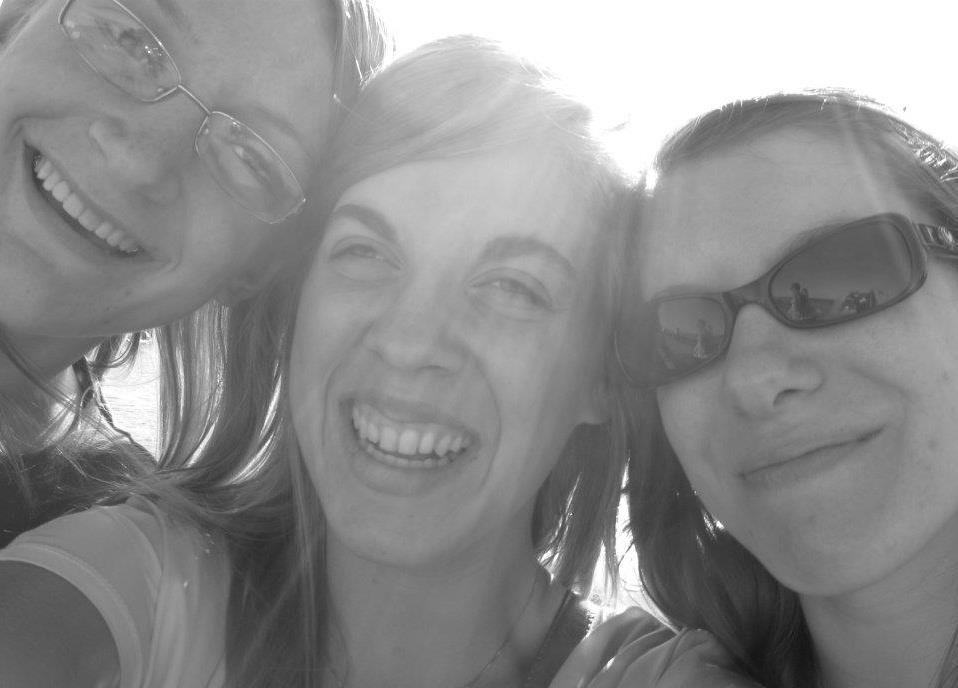
Hanako, Katie, and I, Toronto, 2012
Hanako, Katie, and I, Toronto, 2011

Originally published by BLOOM