Accessible Fun and Recreation Isn’t just for Kids

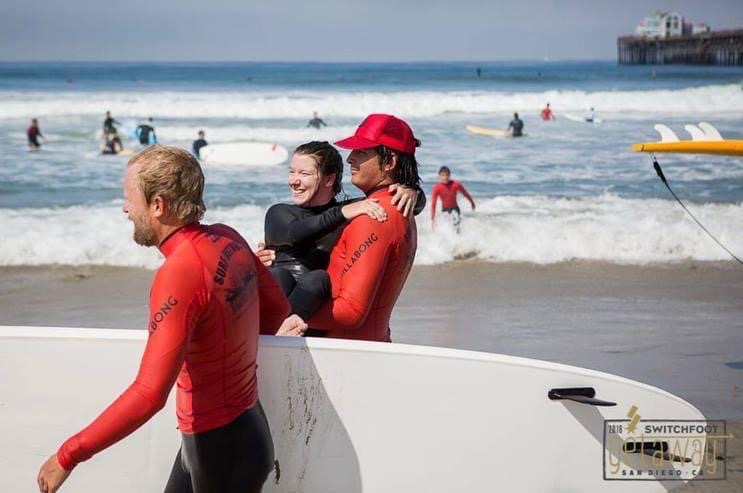
Each provincial Easter Seals organization offers a variety of support and recreational programs tailored to the needs of its demographic. For example, one of the program Easter Seals offers across Canada is camps for families, children, youth, and adults.

As a kid, camp was the event of the summer, maybe even the year for me. I lived for it. I counted the days until I could be back on the magical peninsula of Easter Seals’ Merrywood Camp in Perth, Ontario.

Camp Merrywood was the one place where everything was accessible. Where I could be myself, and it was pretty much the only place where my Cerebral Palsy wasn’t an issue, problem, or barrier. In fact, having a physical disability, such as CP, was a requirement to attend. We were the majority; thus, the environment was built with us in mind.

Everything at camp is accessible, including automatic doors, ramps, and paved paths everywhere. And when they couldn’t make an area or activity 100% physically accessible, such as getting in and out of a canoe or sailboat, they had young, strong counsellors trained and available to help as needed.

I grew up going to physical therapy and social programs at Grandview Children’s Centre, so I had a group of peers and friends with disabilities. However, this is not everyone’s experience. For many, camp is the only opportunity to spend time with peers with similar experiences in an environment that was made for them. It can be very isolating and tiring to be the only one with a disability in most of your environments.

Whether it be at camp or other recreation programs, time with disabled peers is an invaluable experience for kids and youth living with disabilities.

But beyond camps, what other recreational programs are available for adults with disabilities – particularly when they age out of recreation programs designed for youth?

No matter how old we get, we should always be open to and looking for new accessible experiences that provide life-long opportunities to be active, learn, explore, and socialize. Trying something new might be scary, but it’ll also be fun and rewarding.

Here are just a handful of accessible recreation options to get you started.

Skiing
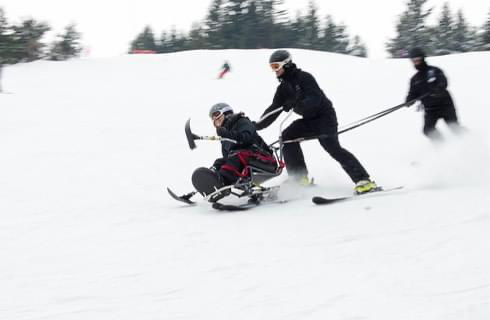
Jessica skiing

By the fall of 2016, I had been out of university and working from home for a year. I was beginning to think about the impending winter. I dreaded how the cold and snow would keep me stuck inside even more than my work already did.

That summer, I was hired by Easter Seals to work as a counsellor at Camp Merrywood., Some of the older campers told me about how much they loved to sit ski. While I’d known about adaptive skiing and had a friend who was also a sit-skier, it had never really occurred to me to try it. No one in my family skied. I wasn’t athletic. And I hated winter.

But I needed an activity to help get me out of my apartment and socialize. Downhill skiing sounded thrilling, like my beloved sailing on snow rather than water. Research led me to the CADS website (https://cads.ski/en/divisions), where I found ADDS (Adult Disabled Downhill Skiers), a local club that charted a bus (perfect for me as a non-driver) from Toronto each weekend from January to March. While the $300 I would need for both CADS and ADDS fees were reasonable for lift tickets, bus, lessons, and equipment rental, it was more than I could afford at the time. I discovered through a bit more research that the Ontario Federation for CP offers financial assistance for such activities. I applied and was ready to hit the ski slopes within a few weeks.

Fast-forward five years, I love speeding down the hill in a sit-ski. I’m still learning but improving with each season. And I met people who are now some of my best friends, both on and off the ski hill.

Sailing
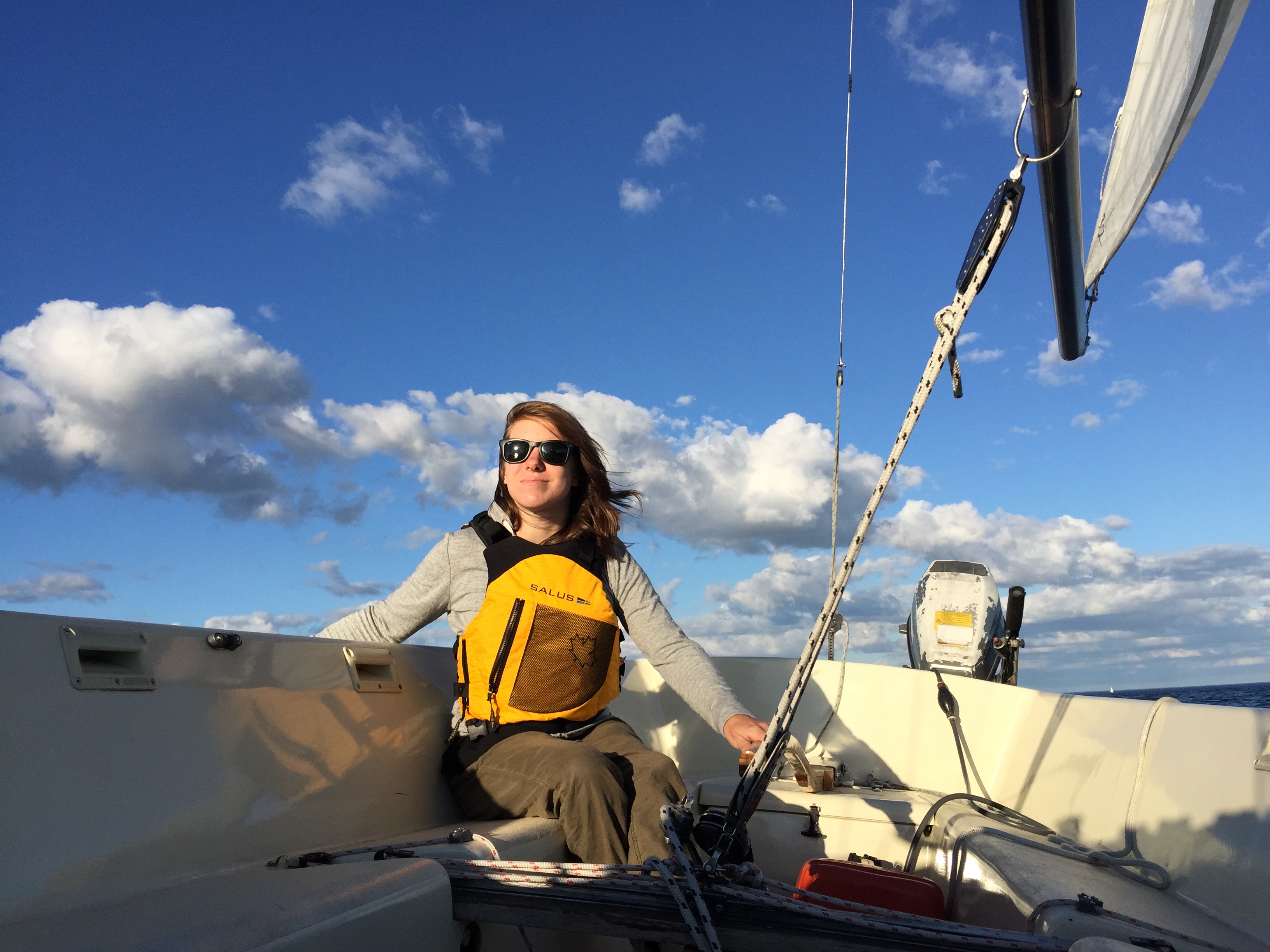
Jessica driving a sail boat while wearing a yellow.
Jessica sailing in Toronto Harbour

Sailing has been one of my favourite activities since my early days at Easter Seals Camp, and I was often curious if it was possible to find accessible sailing closer to home. So when I moved to Toronto for university in 2011, I was introduced to AbleSail, a network of non-profit organizations in cities across Canada offering accessible sailing programs and opportunities to youth and adults living with disabilities. Thus far, I’ve sailed with friends and volunteers in Toronto and St. John’s, Newfoundland. I love the feeling of the wind catching the sail and propelling the boat forward. Like skiing down a hill, speeding along on the water is thrilling.

Rock Climbing

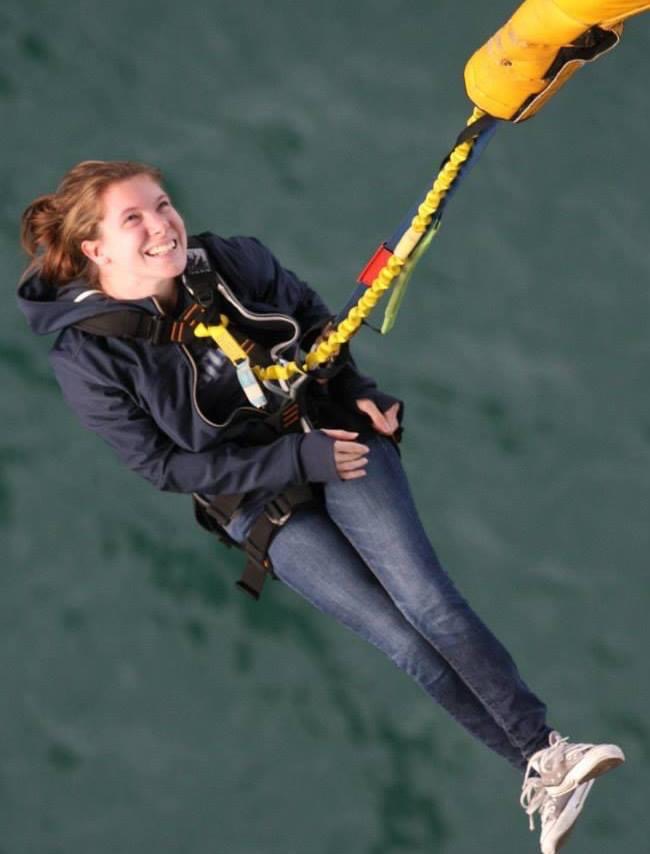
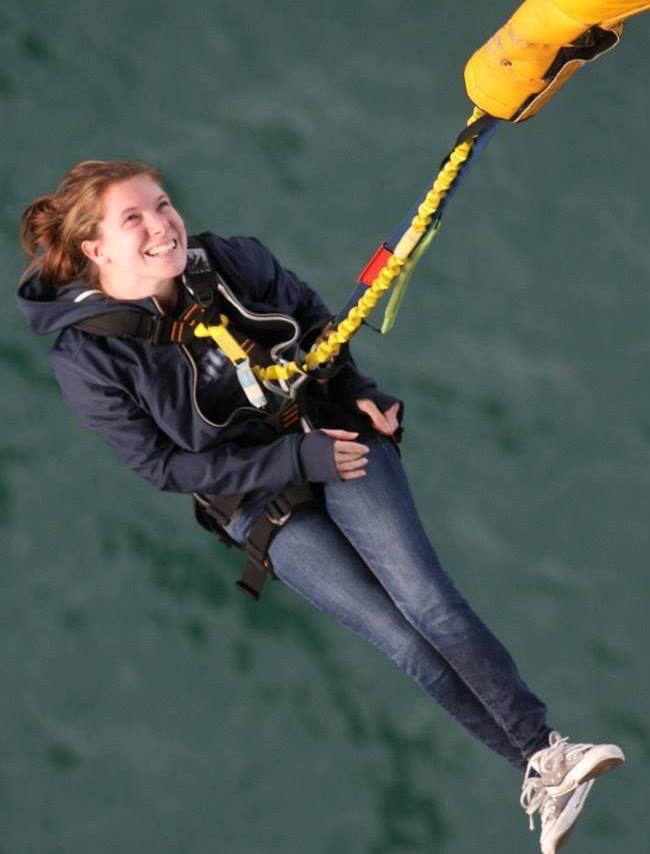
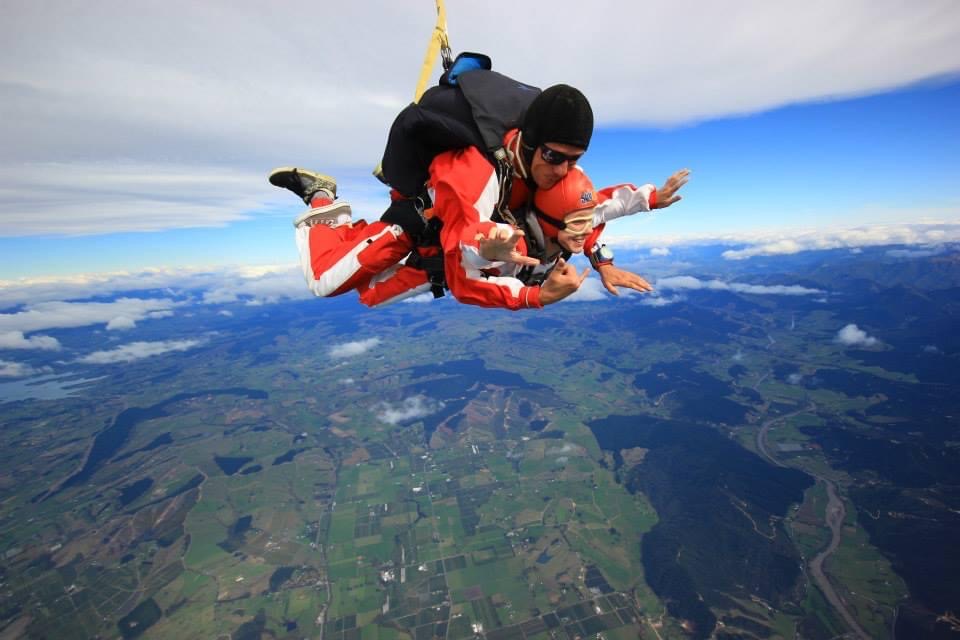
While I haven’t tried adaptive rock climbing yet, I recently heard about it from a friend, and now it’s on my list of things to try next. I loved bungy jumping, sky diving, and Easter Seals’ Drop Zone fundraiser, so I think rock climbing could be right up my alley. It seems like another great way to stay active and get a bit of exercise. The Canadian Adaptive Climbing Society offers programs in Ontario and British Columbia.

Wheelchair Basketball, Sledge Hockey, and Para-swimming

These might be three of the most well-known adaptive sports for people living with disabilities. I initially assumed they were so common that I almost didn’t include them in this article. While I’m not skilled in these sports, I know many enjoy wheelchair basketballsledge hockey, and para-swimming. I’ve heard many stories from friends about how these sports have provided Canadian athletes with disabilities opportunities to learn new skills, stay active, make friends, and even travel.

Travelling
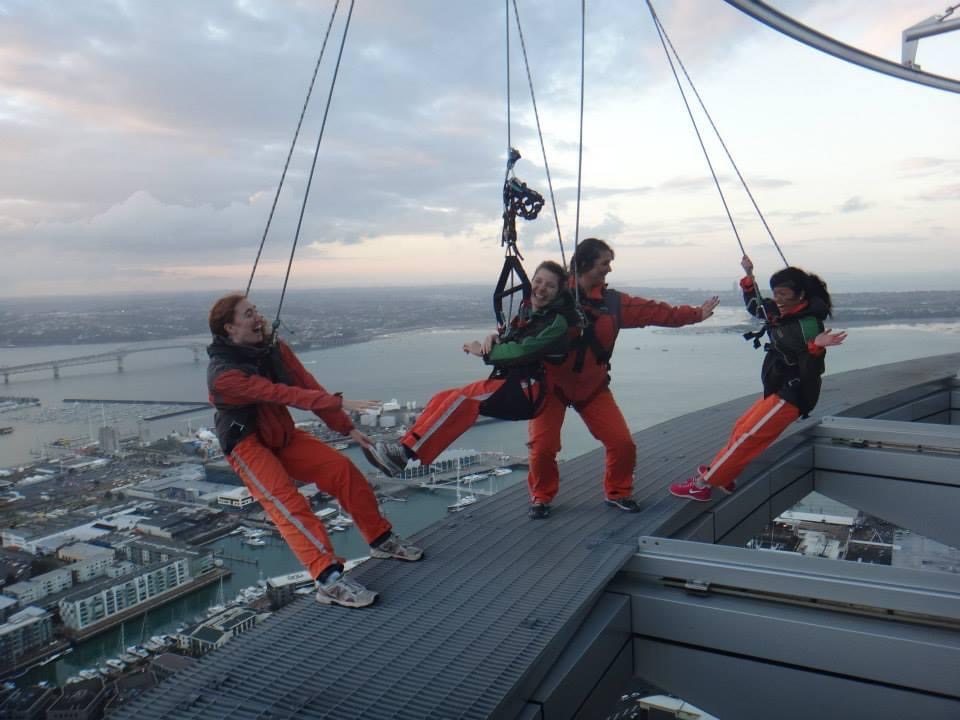
This last one might seem crazy to some but hear me out.

Travelling can be challenging for people living with disabilities, often requiring courage and planning. But it’s possible! There are so many exciting places to see and people to meet. There are so many adventures to be had. You could start small. Take a day or weekend trip to explore a local city. Visit a friend who lives out of town but is maybe only a train ride away.

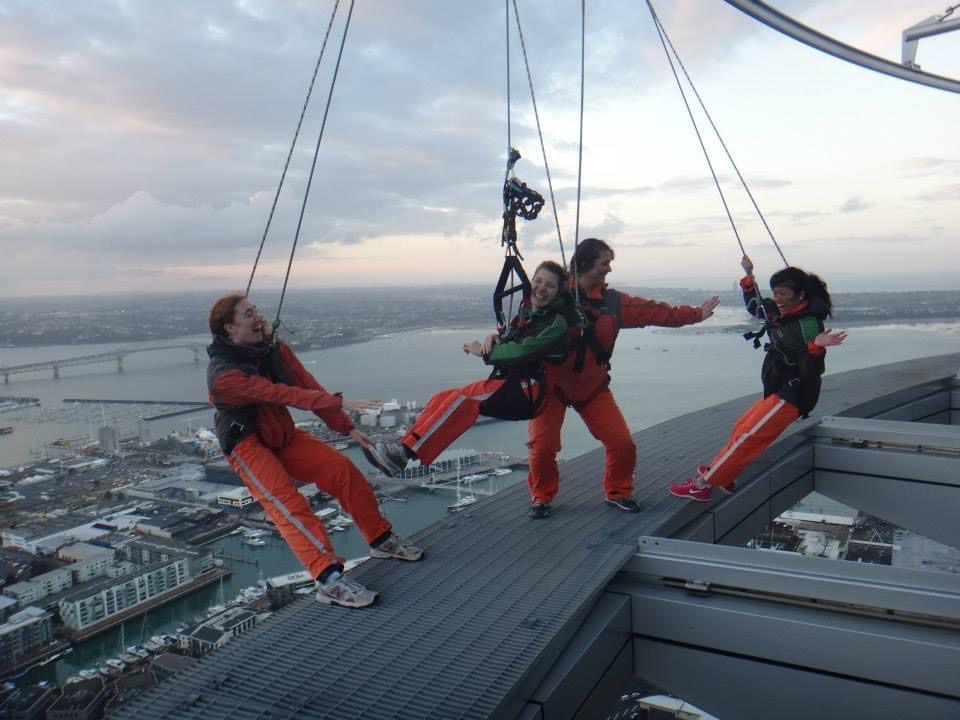
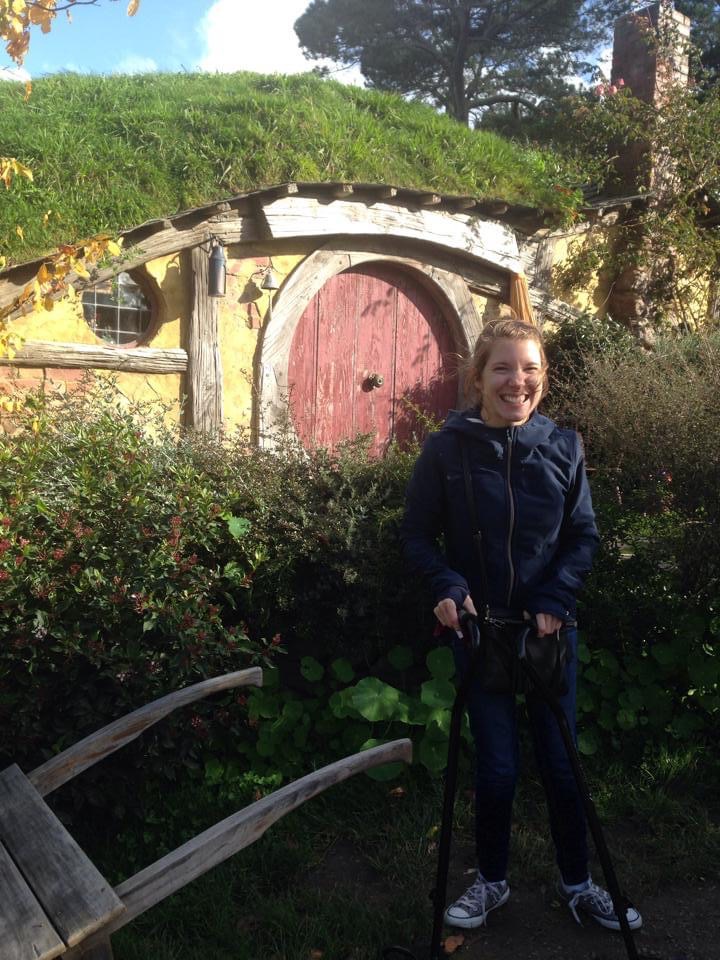
t would be easy to say that my love of travel started in 2014 when I spent a semester studying and exploring New Zealand. This was when I realized I could travel independently, find or create accessibility, and, along the way, make friends from around the world.

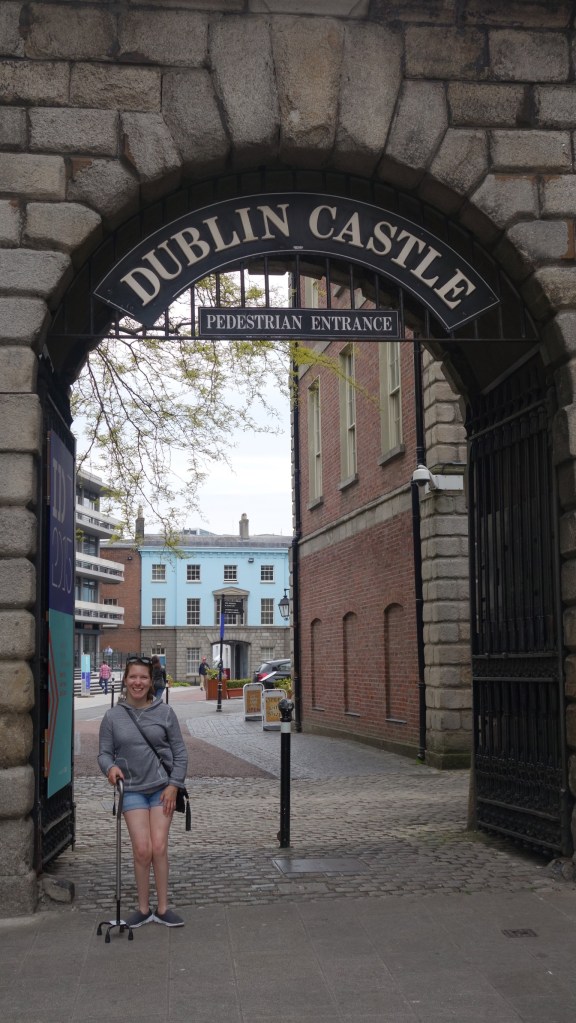
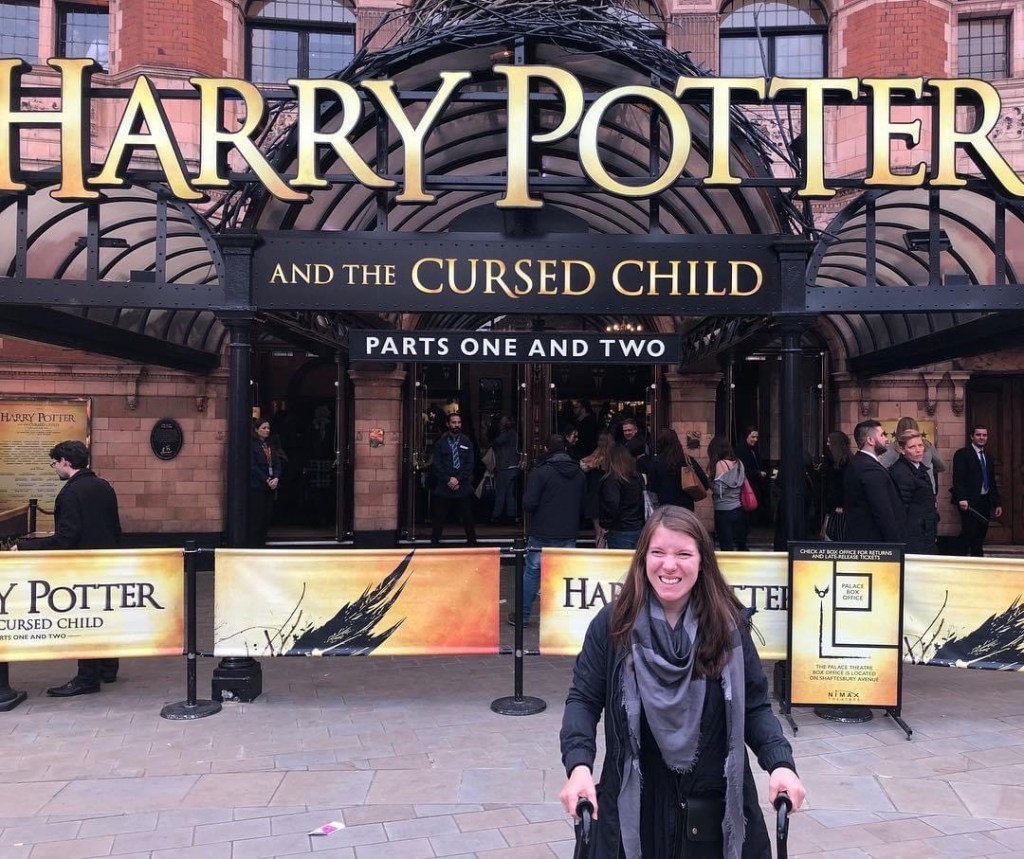
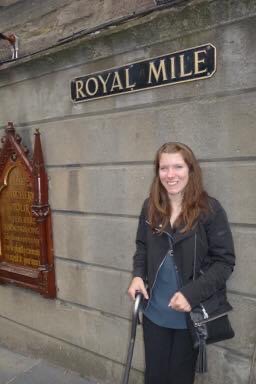
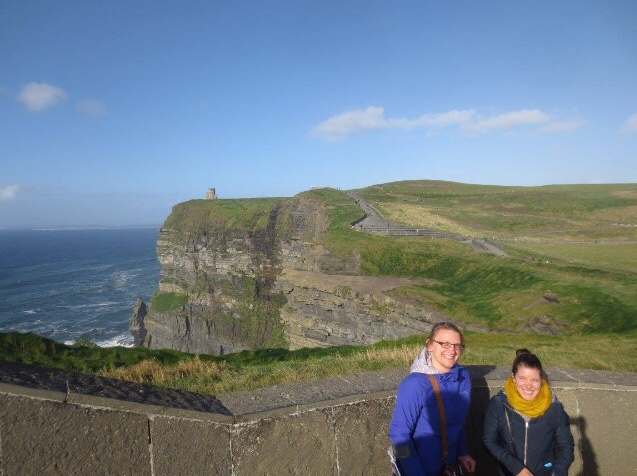
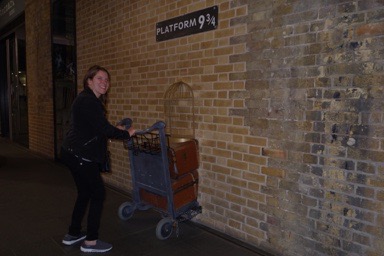
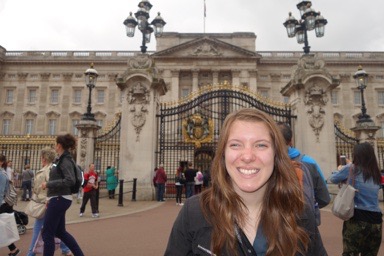
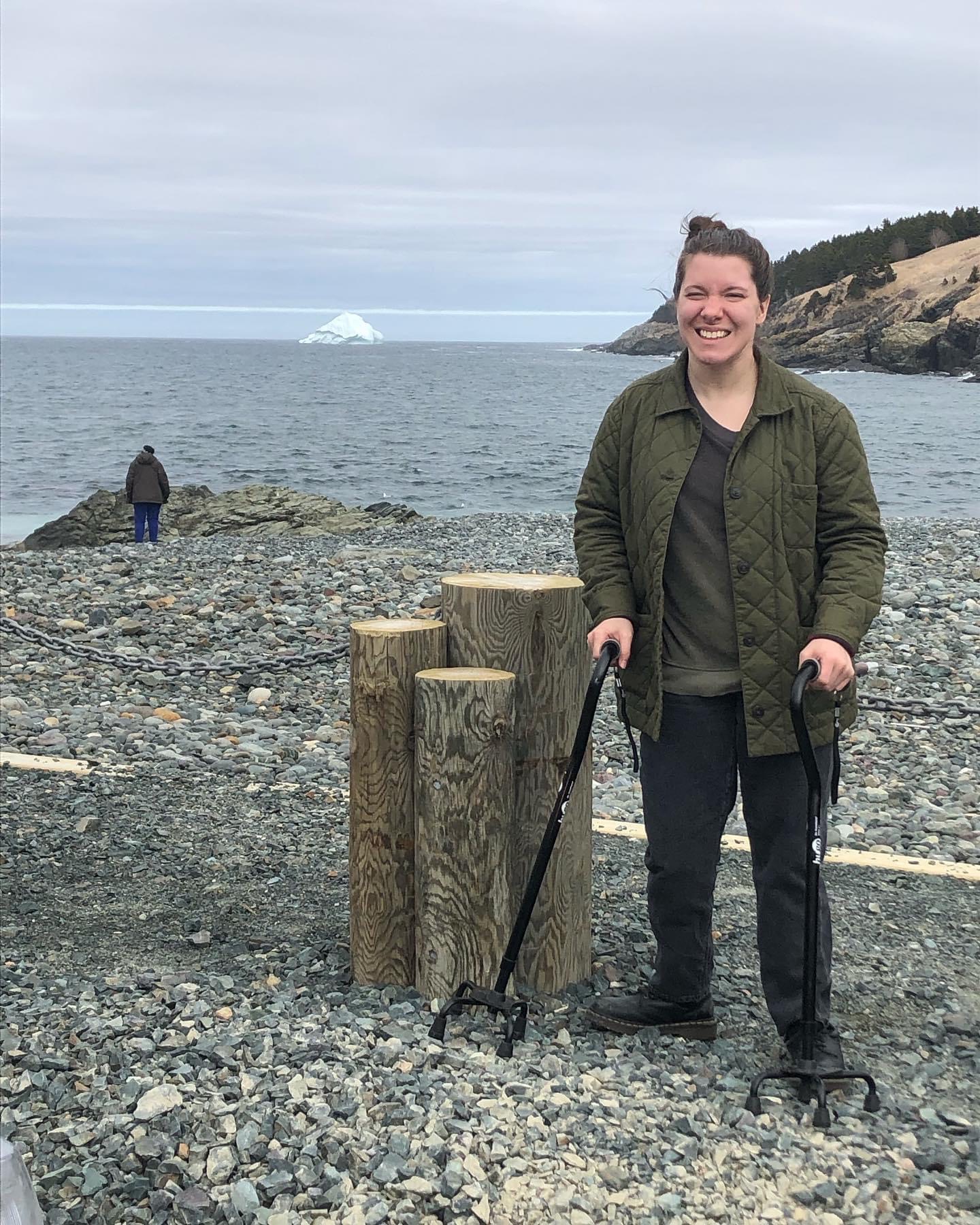
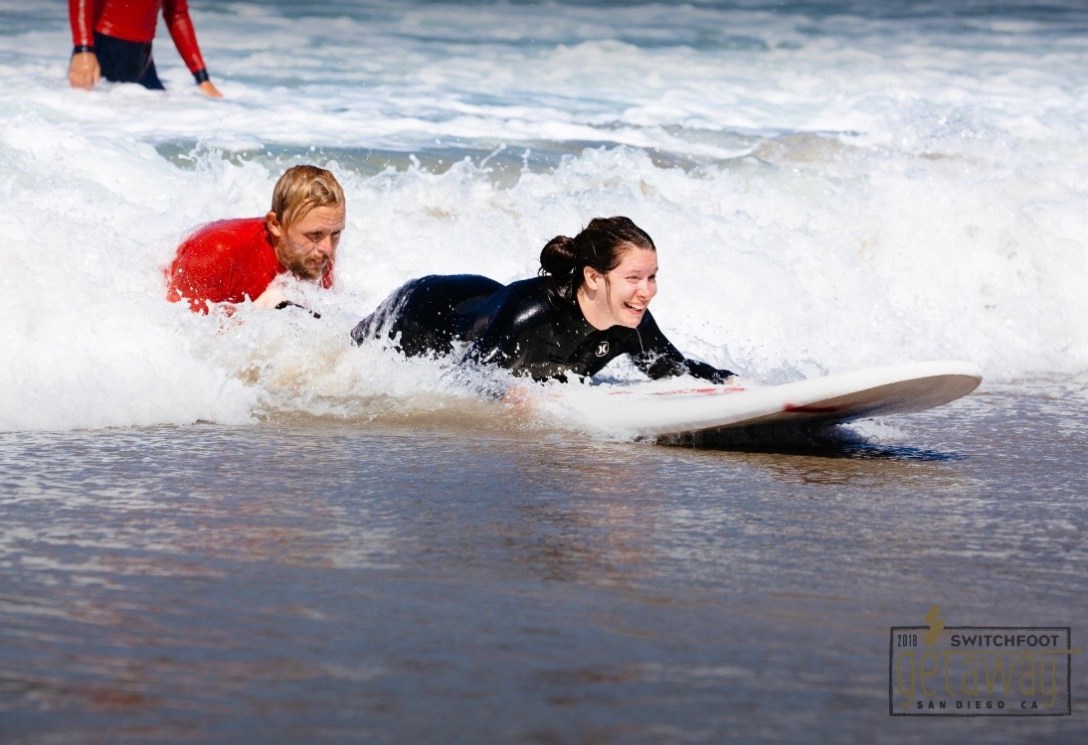
Since then, I’ve toured much of the UK and Ireland; spent a long weekend in Italy; vacationed in Mexico; followed my favourite band to San Diego; roundtripped from Houston to New Orleans and Austin; and saw my first real-life iceberg in St. John’s, Newfoundland. Just to name a few adventures.

But my interest in travel started with my family and friends when I was much younger. At least a couple of times a year, my parents would pack my two younger siblings and me in the car for cottage and camping weekends, often exploring the local town, food, and attractions. We also loved weekend trips to Niagara Falls, where we could explore Clifton Hill, swim in the hotel pool and order room service. Then, when I was a teenager, we started flying to Alberta and California to visit family and then taking roundtrips in and around those places. These family adventures showed me there was more out there to see.

Now that I’m an adult, I always look for accessible travel opportunities. Thus far, organized and hop-on-hop-off of bus tours have been the biggest key to my success. Most cities have a hop-on-hop-off tour bus that hits all the must-see spots. I usually ride the route twice–once to see the city and hear the history, then again to get to where I want to go.

Organized bus tours are also a great way to cover a lot of ground, stopping along the way to see the sights and make friends with like-minded travellers who are happy to lend a hand when needed. Bus drivers are well informed and usually glad to help me make my experience as accessible as possible, whether by turning a walking tour into a driving tour or calling ahead to the hostel to ensure I have a room on the ground floor with an ensuite washroom.

When planning a trip, I do a lot of research to familiarize myself with the area. For example, is there public transit­­––is it accessible, and how much does it cost? What do I want to see and do? Where can I stay? What are the food options? Are there options and discounts for people with disabilities? While many like to stay outside the touristy areas to save money and avoid crowds, I find that it is often most accessible to stay where the action is because everything I need is nearby––including transit to other areas I may want to visit.

Several blogs, websites and companies also specialize in accessible travel. It is always helpful to learn from those who have come before. Access Now is a tool that puts this idea into practice by crowd-sourcing accessibility information of public places from the people with disabilities who have been there. Not sure if a specific restaurant is accessible? Look it up on Access Now. I recently discovered Accessible GO, which is excellent for finding accessible hotel rooms. And March of Dimes Travel offers everything from organized day trips to cruises for travellers living with disabilities. And last but certainly not least, Easter Seals’ Access 2 Card Program is a great way to explore Canadian attractions more affordably with a friend/support person in tow. Research is key and can be a lot of fun!

Trying new things can be nerve-racking. However, we must not let fear hold us back from opportunities to learn, grow and make new friends, partially into adulthood. We never know where it could lead; maybe we’ll find a new passion.

Originally published by Easter Seals Canada.

CP-NET Community Profile: Amanda St. Dennis

Amanda St. Dennis

Last spring, Bloom posted on Facebook about an upcoming CP-NET webinar on mental health in adolescents and young adults. Happy to see such an important topic being discussed and investigated, Amanda St. Dennis commented on the Facebook post to reiterate how important conversations around mental health are for young people. She wished more research had been done when she was younger and struggling with her mental health. 

Thinking that Amanda may have some useful insights, Bloom’s editor put her in contact with CP-NET. Not long after becoming a participant in the MyStory project, Amanda became a member of the CP-NET Stakeholder Advisory Committee and the Transition Hub. More recently, she became a co-investigator on the Youth Engagement in Research project. While she had not expected all of this to come from one comment on that Bloom Facebook post, Amanda is thrilled to be engaged in research, using her education, background, and experience to help others, particularly during the pandemic.

In June, Amanda graduated from Carleton University with a Bachelor of Arts Honours degree in Child Studies with a minor in Disability Studies. She also has over ten years of experience working with youth with disabilities as a personal support worker and camp counsellor at Easter Seal Ontario’s Merrywood Camp.

This is all in addition to being a woman with disabilities, including mild to moderate Spastic Right-side Hemiplegic CP, Non-verbal Learning Disorder, ADHD-combined type, and General Anxiety. As her father was a part of the military, Amanda grew up navigating the healthcare systems and services available in multiple locations throughout Manitoba, Ontario and the North West Territories, often struggling to access the care she needed and deserved.

As can be seen, Amanda has a wealth of knowledge and experience that can inform CP-NET research priorities and projects. In joining the network, she has enjoyed having her voice heard, putting her education to use, and improving the lives of younger generations with an organization that listens to and works closely with all key stakeholders, such as herself. “They are actually listening to their stakeholders, to the people that this research affects directly, and they want to do better.” Amanda also appreciates the CP-NET approach to research. She says it’s more than data and written work; it’s also discussion and collaboration based on everyday experience and practice from multiple perspectives.

Put simply, engaging in research with CP-NET has given Amanda a greater sense of purpose and connection. “I matter, I matter because I have a disability, I matter because I have navigated the healthcare system,” she says. “I think that’s the biggest impact. And I think this could be one of the biggest impacts for other youth and young adults with disabilities.”

With this in mind, Amanda’s advice for other youth and young adults with disabilities who are thinking about engaging in research is just to try it. She explains that parents, clinicians, and peers can tell youths about the importance and benefits of research engagement, but they won’t know if it’s for them until they try it for themselves. And even if it turns out not to be for them, they still have a voice and made a difference. “A small action can shape a big result.”

This article was originally written and published as a part of CP-NET’s Community Profiles.

Michelle and Adam Shales’ experiences with the Trexo study at CHEO

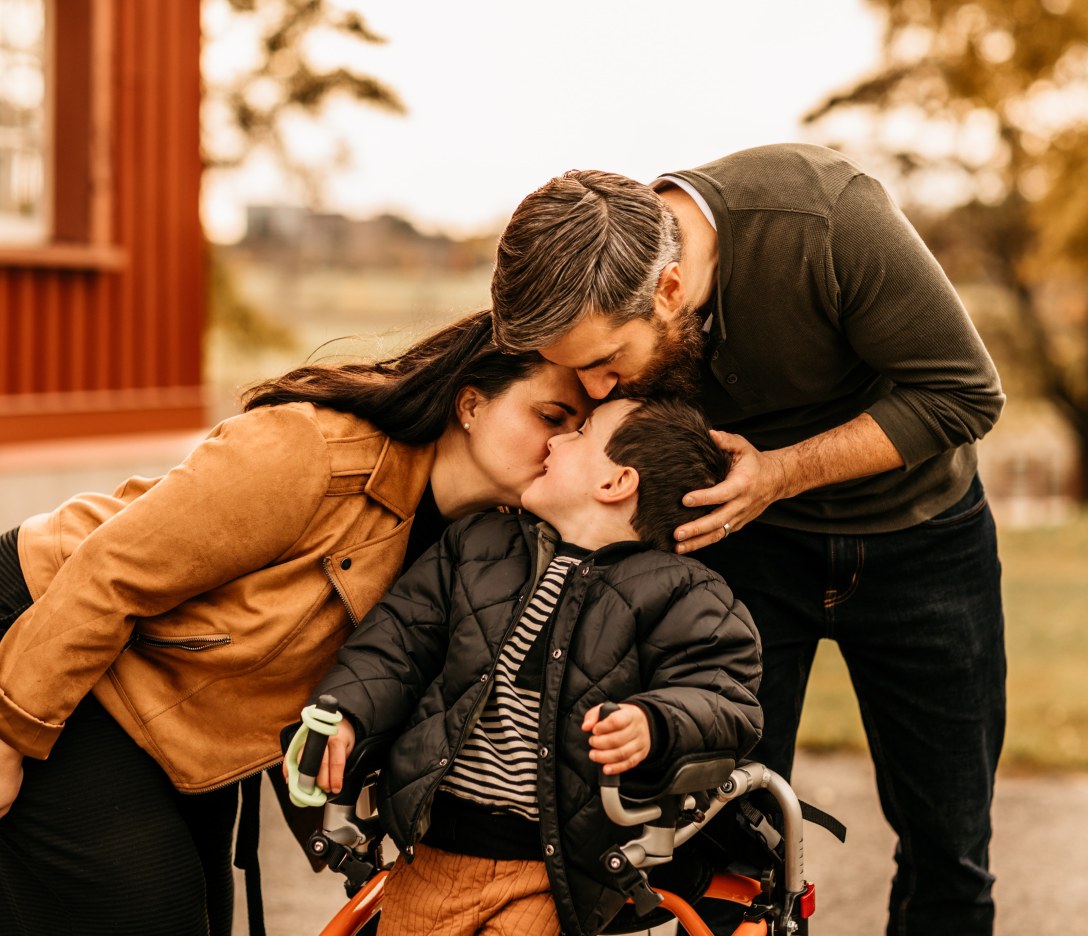
Michelle and Adam Shales with their son, Griffin

CP-NET Community Profile: Michelle and Adam Shales

The Trexo study at CHEO has been an innovative game-changer for Michelle and Adam Shales when it comes to physical therapy for their son, Griffin. Six months into using the Trexo, not only has Griffin’s gait and mobility improved, but it has also led to increased independence and curiosity about his surroundings.

The Shales originally discovered the Trexo gait trainer about three years ago through their research, looking for interventions that could improve Griffin’s gait and mobility. Then in 2018, they heard from another family that Trexo was developing a home model. When they contacted Trexo to inquire about purchasing a device for their own home, Trexo informed the Shales that they would be coming to CHEO, where Griffin is a client, to demo the new device. During this demonstration, Dr. Anna McCormick told the Shales of her plans to study the benefits of the Trexo for children with CP.

By the end of 2019, CHEO was ready to begin a 6-week study. While the initial Trexo session took place at the CHEO school, where Griffin was a student, the study has continued at home beyond that initial 6-week period.  

Though this was the family’s first time participating in a research study, they were keen to participate. “We had dreamt of an intervention that would allow him to learn to walk with a healthy gait pattern without spasticity and allow him to repeat those movement patterns thousands and thousands of times­,” says Michelle Shales. “And, the world gave us the Trexo!”

Not only is the Trexo a dream come true for Griffin and his parents but, as Michelle says, this study is an opportunity to prove the value of and continue to expand on these types of interventions. There is often a gap between the amount of physical therapy a child with CP needs and the resources available, whether that be appointment availability, treatment costs, public funding that limits the type and number of treatments per week, or just the number of hours in a day. While not replacing hands-on therapies, the Trexo helps fill that gap, both in rehab centres and at home.

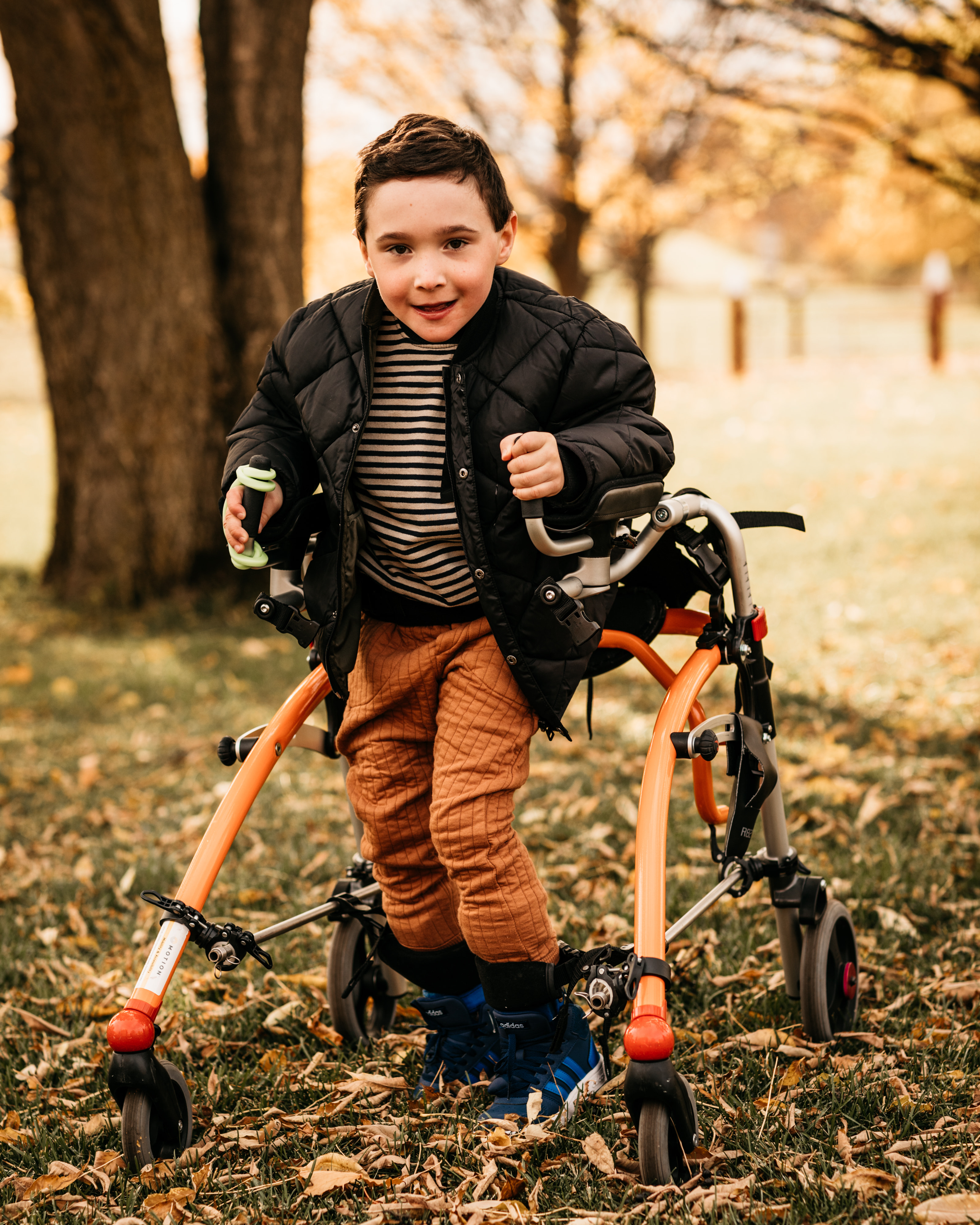
Griffin Shales in his Trexo.
Griffin Shales.

With school shut down in the spring, Griffin and his dad, Adam Shales, had more time to fit the Trexo into their day whenever it suited them. Adam says, in the beginning, they were running through a bit of a boot camp. The goal was to spend about 30 minutes in the Trexo every day or two, followed by some time in his walker. With the Trexo, Griffin can get the repetition he needs to build the muscle memory and the strength to improve his walking; a level of consistent repetition, Adam points out, that could rarely, if ever, be achieved without this valuable robotic technology.

Another silver lining to having a Trexo at home was the ability to get Griffin in it when he was happy and well-rested. They may only get one shot at the centre, Adam points out, but if Griffin’s not feeling up for it at home, they can easily change gears and try again later. It’s a lot less stressful for the whole family.

After receiving training from the team at Trexo, the device was easy to operate and understand. “You don’t have to understand what it takes for a person to walk, what muscles need to be engaged in every phase of the gait pattern,” says Michelle. “All you need to learn is how to get your kid in the device.” Operated with a tablet app, Adam and Michelle can set the gait pattern and all other necessary adjustments for Griffin. All data is recorded and stored on the Trexo servers. And the Trexo team is always available as a resource.  In turn, the data on Griffin’s usage can be pulled by the Trexo team and fed back to Dr. McCormick and her team to inform the study.

Participating in this study, using the Trexo regularly has begun to change Griffin’s perception of his surroundings. Since March, he has progressed from struggling to take a single step in his Crocodile walker (a commercial off the shelf device), to being able to move around of his own free will on various types of terrain, both indoors and on more challenging terrain outdoors. “He’s starting to realize little by little that he has the ability to choose where he wants to go,” says Michelle. “­That’s new for him.”

Michelle looks forward to doing simple things with Griffin, like taking him shopping and letting him freely explore the aisles. Where he was once confined to his wagon, he now can walk the isles of a store, explore and choose a toy for himself. She also looks forward to the possibilities for Griffin when he returns to school: “He could walk up to a friend. He could walk up to his teacher. He could walk down the hall. He could walk or run in the classroom.” With the Covid-19 pandemic still upon us, for now, the Shales family is continuing to benefit from their Trexo at home and are enjoying watching Griffin gain more and more independence.

Originally published by CP-NET.

Podcast: #Two3rds Happy CP Day Part 1 (and a Webinar)

Scott & I are back! In this episode we discuss their experiences with Cerebral Palsy and try to figure out when C.P. Awareness Month actually is. We debate the potential need and reasons for a figurative holiday celebrating individuals with the diagnosis. Give it a listen here.

I’m also participating in a free CP-NET webinar on Friday April 21 from 11:30 a.m.-12:30 p.m.: Growing Up with CP: Mental Health and Well-being. Please register, save the date and share with your network. See the event poster here.

Some new, positive F-words to keep in mind

Cerebral Palsy: The Six F-Words for CP.

Twice in the past couple of weeks––once at a CP-Net Stakeholders meeting and at the OFCP Annual General Meeting–my attention has been drawn to “The Six F-words for CP:” function, family, fitness, fun and future.

At first, I admit, that these sounded like a too obvious and overly simplified solution in the struggle to find a realistic and helpful approach to life with CP. But I was nonetheless intrigued, and aware that I may be too cynical towards such things.

The review article, “The F-words in childhood disability: I swear this is how we should think!” written by Peter Rosenbaum, from the CanChild Centre for Childhood Disability Research at MacMaster University, and Jan Willem Gorter, from NetChild Network for Childhood Disability Research in the Netherlands, was provided in my OFCP AGM package. I thought why not give it a read?

And I was pleasantly surprised. While I still believe this approach is a bit obvious, I appreciate that it, although published in September 2011, is gaining traction within the research and treatment community.

While I invite you to read this article for yourself, there are some key, exciting, points of revelation worth mentioning:

First, the traditional medical model of diagnosing and “fixing” doesn’t work with CP.  Put simply, CP is too complex and affects each of us differently, even, for example, two people who technically have the same type of CP. Thus, there is no shortlist of go-to treatments, no cure-all. Not to mention that results are often only small and gradual after persistent, sometimes lifelong, treatment. Our quality of life can be improved but we cannot be fixed. At this point, such an absolute goal will only lead to frustration and disappointment.

Second, one does not need to do something, such as walk or talk, normally in order to be functional. Conventional development is a reasonable guide but by no means the only way of doing things. I often explain, to people who inquire about my limitations, that I can do everything an able-bodied person can do, just maybe in a different way. Just as someone else may wear glasses to see, I use canes to walk. What’s important is that children with CP be given the opportunity, and assisted as necessary, to learn how to function to the best of their ability in a way that works for them. Fine-tuning their performance of these functions will naturally over time.

Third, treatment and counselling should include not only the child with a disability but their family as well. Explaining the child’s condition and treatments––and making sure they understand––can help parents, grandparents and/or siblings make peace with this new reality and move forward to a happy and fulfilling life for all. This could mean helping with exercises, finding accessible activities for the whole family to do together, or learning how and when to advocate for the child.throughout their lives. When complicated on my ingenuity in accommodating a task, I often point out that others could probably do the same if it was necessary.

Fourth, fitness and fun can be grouped together in that it is important for a person with CP to be given the opportunity to discover activities they enjoy, just like anyone else. Then, similar to function, figure out how it may need to be accommodated to their abilities.

Lastly, and perhaps most importantly, people with disabilities have a future, just like you. Service providers should make this clear right from the start, and keep it in mind throughout their relationship with the child and their family. This could be a future full of friends, education, goals, dreams, and even romance.